Luke Longarzo is a graduate student in Aeronautical and Astronautical Engineering at Purdue University, where he is pursuing a Master of Science with a concentration in Controls, Astrodynamics and Space Application, expected December 2026.
About Luke
Luke Longarzo is a graduate student in Aeronautical and Astronautical Engineering at Purdue University, where he is pursuing a Master of Science with a concentration in Controls, Astrodynamics and Space Application, expected December 2026.
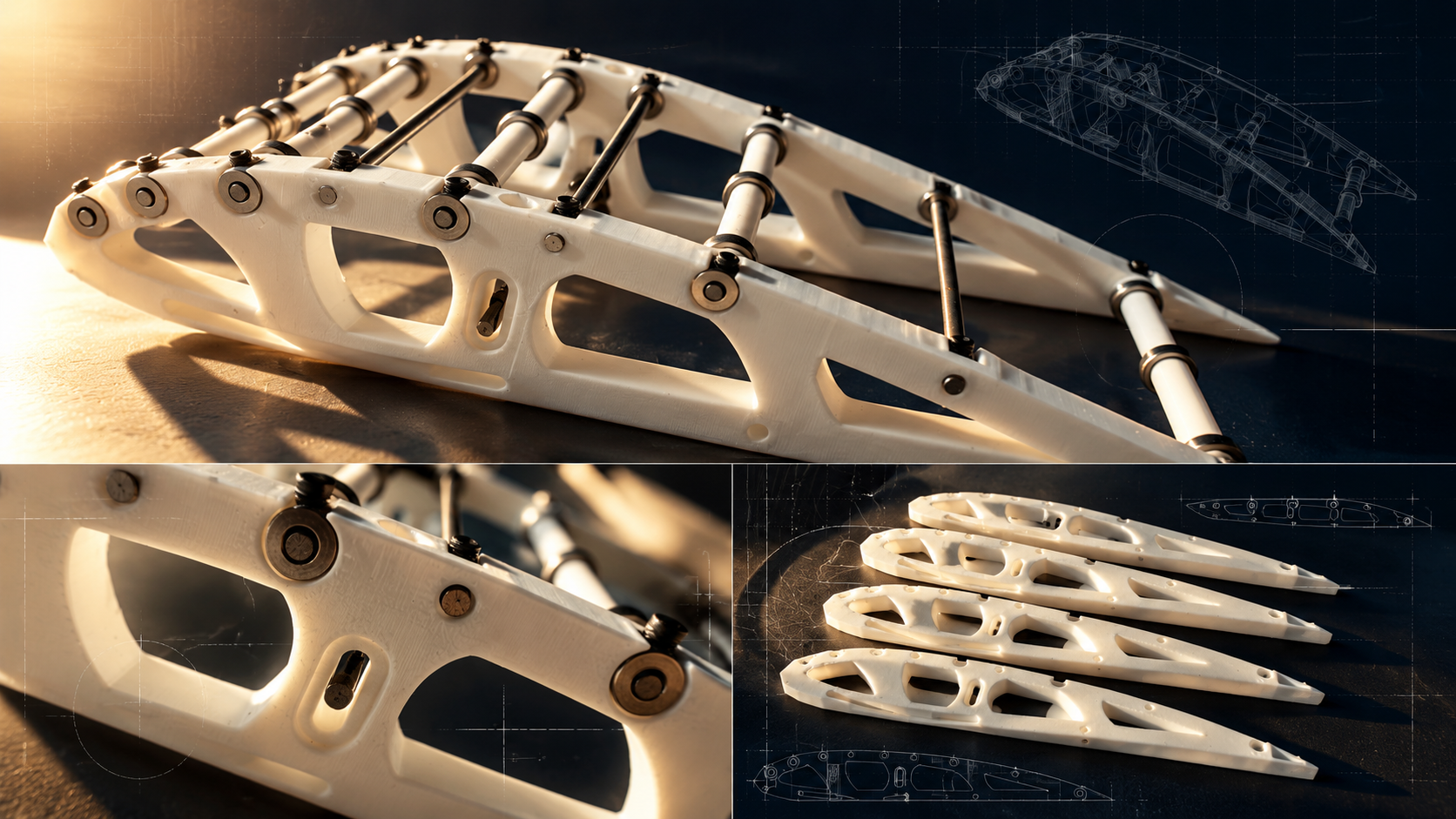
He holds a Bachelor of Science in the same field from Purdue, graduating in May 2025. Luke’s path to aerospace was shaped early. Growing up in Los Angeles, he developed a hands-on engineering instinct as a lead on the competitive robotics team at Windward School, where he designed and fabricated mechanisms for a 125-pound competition robot alongside a 40-member team.
That same drive to build things that actually work has followed him ever since. At Purdue, Luke contributed to the Purdue Space Program as a structures and manufacturing engineer, building rocket components that brought the team within 100 feet of their 10,000-foot target altitude at competition.
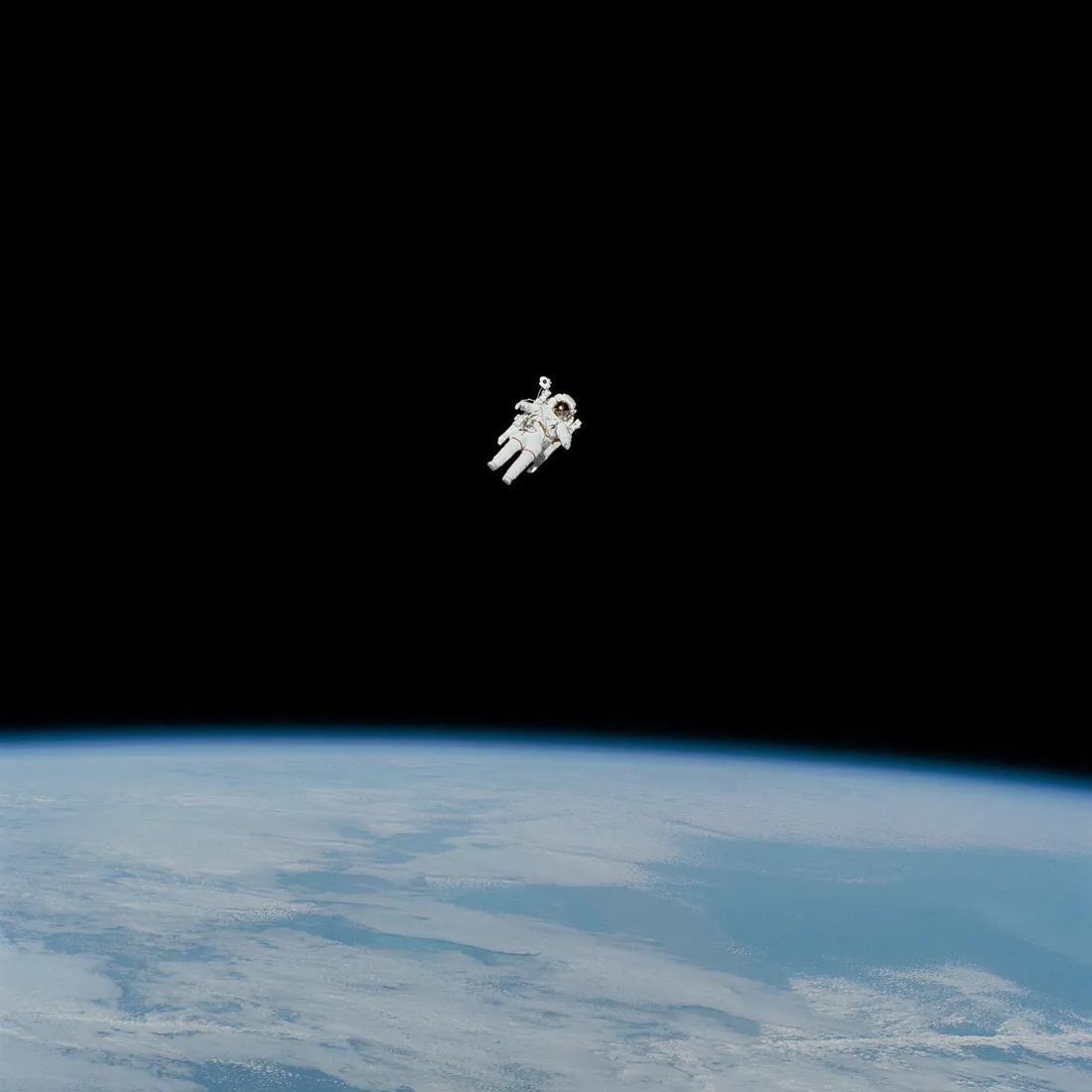
Sending humans to Mars won’t be quick, cheap, or easy. And honestly, I think that’s part of why it matters. The things worth doing are not ever easy. Humans have always gone places they’ve never been before with incomplete information and a lot of uncertainty, and figured it out along the way. Sign me up.
What It Means to Study Aerospace at the Cradle of Astronauts
When I chose Purdue for undergrad, I knew it had a strong reputation in aerospace engineering. What I didn’t fully appreciate until I got there was just how deep the connection to actual space exploration runs — and how quickly you feel it once you’re on campus.